Showing posts sorted by relevance for query independent living. Sort by date Show all posts

Thursday, August 27, 2026

7 Medication Reminder Tools That Help Seniors Stay on Track

7 Medication Reminder Tools That Help Seniors Stay on Track

Senior using a smart pill dispenser and medication reminder system at home


"Missing one dose may not seem important. Missing several doses can become a serious health problem. The right reminder system helps seniors stay healthy and independent." — Dennis Thomas, Senior Tech Simplified

Managing medications can become challenging as prescriptions increase and schedules become more complicated. Many seniors take multiple medications every day, often at different times. Missing doses, taking the wrong medication, or accidentally taking a double dose can create serious health risks. Fortunately, technology offers simple solutions that make medication management easier and more reliable.

📝 Quick Summary

Medication reminder tools help seniors stay organized, improve medication compliance, and reduce caregiver stress. From simple smartphone reminders to advanced smart dispensers, there is a solution for every need and budget.

  • Reduce missed medications.
  • Improve medication accuracy.
  • Help caregivers stay informed.
  • Support independent living.

💡 Why Medication Management Matters

Medication mistakes are one of the most common causes of preventable health problems among older adults.

Common issues include:

  • Missed doses
  • Wrong medications
  • Incorrect timing
  • Duplicate doses
  • Confusing schedules

A good reminder system helps eliminate many of these problems.

✅ 1. Smartphone Medication Apps

Many seniors already own a smartphone.

Medication reminder apps can:

  • Send alerts
  • Track medications
  • Provide refill reminders
  • Maintain medication lists

This is often the easiest place to start.

✅ 2. Smart Pill Dispensers

Smart dispensers automatically organize medications and release the correct dose at the correct time.

  • Locked compartments
  • Scheduled dispensing
  • Missed-dose alerts
  • Caregiver notifications

These devices are ideal for complex medication schedules.

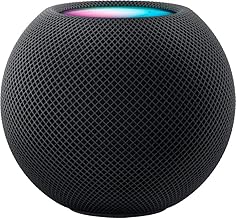
✅ 3. Voice Assistant Reminders

Smart speakers can announce medication reminders throughout the day.

  • Simple setup
  • Voice alerts
  • Custom schedules
  • Easy daily use

Many seniors prefer hearing reminders instead of reading notifications.

✅ 4. Electronic Pill Boxes

Electronic pill boxes combine traditional organization with digital reminders.

  • Flashing lights
  • Audible alerts
  • Daily organization
  • Portable design

These devices are simple and effective.

✅ 5. Smartwatch Medication Alerts

Smartwatches place reminders directly on the wrist.

  • Vibration alerts
  • Visible reminders
  • Activity tracking
  • Emergency features

Many users appreciate having reminders available wherever they go.

✅ 6. Family Monitoring Systems

Some medication systems notify family members when doses are missed.

  • Caregiver alerts
  • Remote monitoring
  • Improved accountability
  • Greater peace of mind

This can be especially valuable when family members live far away.

✅ 7. Simple Daily Checklists

Sometimes the simplest solution works best.

A printed checklist combined with a traditional pill organizer can still be highly effective for many seniors.

🧠 The Best System Is the One You'll Use

The most advanced medication reminder system is worthless if it feels confusing or frustrating.

Choose a solution that fits your daily routine and comfort level.

❓ Frequently Asked Questions

What is the best medication reminder for seniors?

It depends on the number of medications and the level of support needed. Smart dispensers work well for complex schedules.

Can family members receive alerts?

Yes. Many modern medication systems include caregiver notifications.

Are medication reminder apps free?

Many apps offer free versions with basic reminder features.

Can smart speakers provide reminders?

Yes. Most voice assistants can announce medication schedules.

What if a senior dislikes technology?

Traditional pill organizers combined with printed schedules remain effective options.

🔗 More From Senior Tech Simplified

Helpful Guide:
Health & Wellness Tech Guide

Helpful Guide:
Safety & Independence Guide

Related Article:
Senior Health Tech: 5 Tools That Actually Save Lives in 2026

Related Article:
How to Keep Your Aging Parents Safe in the Digital Age

📘 Amazon Product Recommendation

Recommended Product:
Smart Automatic Pill Dispenser

Amazon Affiliate Link:

https://www.amazon.com/s?k=smart+pill+dispenser&tag=montohea-20

🔐 Affiliate Disclaimer

This article may contain affiliate links. If you purchase through these links, Senior Tech Simplified may earn a small commission at no additional cost to you.

💬 Join the Conversation

What system do you currently use to keep track of medications?

Would a smart reminder system make life easier for you or a loved one?

Final Thoughts

Medication management does not need to be stressful. The right reminder tool can improve safety, reduce missed doses, and help seniors remain independent longer.

Best Medication Reminder Devices for Seniors Living Independently

Smart medication tools are helping seniors stay healthier while giving family caregivers greater peace of mind.

Tuesday, August 18, 2026

8 Smart Home Devices That Give Families Peace of Mind

8 Smart Home Devices That Give Families Peace of Mind

Affiliate Disclosure: This post contains affiliate links. As an Amazon Associate, I earn from qualifying purchases. If you purchase through a link on this page, I may earn a commission at no additional cost to you.

Families often worry about an older parent or grandparent living alone.

Did they lock the door? Did they get out of bed safely? Who rang the doorbell? Are the hallways bright enough at night? Would anyone know if something went wrong?

Smart-home technology does not replace family contact, professional care, or emergency services. It does give families more ways to prevent problems, respond faster, and support independent living.

The right devices can improve safety without turning a senior’s home into a complicated control room.

This guide covers eight useful smart-home devices for seniors, caregivers, adult children, and families supporting older loved ones.

Quick Summary

  • Start with one problem instead of buying several devices at once.
  • Video doorbells help seniors see visitors before opening the door.
  • Smart locks offer easier access and automatic locking.
  • Smart lights reduce dark walking areas.
  • Indoor cameras support check-ins and two-way communication.
  • Motion and bed sensors help caregivers respond to movement.
  • Smart displays support calls, reminders, and voice commands.
  • Medical-alert devices provide another layer of emergency support.

Before Buying Smart-Home Technology

Do not begin by asking, “What device should we buy?”

Begin by asking, “What problem are we trying to solve?”

One family might worry about nighttime falls. Another might worry about strangers at the door. A caregiver might need an alert when someone leaves the bed. An adult child living in another state might need an easier way to check in.

Ask these questions first

  • Does the senior have reliable internet service?
  • Does the device require 2.4 GHz or 5 GHz Wi-Fi?
  • Does it require a monthly subscription?
  • Who will install it?
  • Who will receive alerts?
  • Who will update the app?
  • What happens during a power outage?
  • Will the senior feel comfortable using it?
  • Does it respect the senior’s privacy?

Read: The Simple Senior Home Security Plan for 2026 before building a complete setup.

1. Video Doorbell

A video doorbell helps a senior see and speak with visitors before opening the door.

It also lets family members review activity, check deliveries, and respond to visitors through an app.

Why it helps

  • Shows who is at the door.
  • Supports two-way conversation.
  • Records motion events.
  • Helps reduce unwanted door opening.
  • Provides delivery notifications.

Ring Battery Doorbell

Ring battery video doorbell with wide-angle video and two-way talk

This battery-powered doorbell includes wide-angle video, two-way talk, zoom, and app-based monitoring.

View the Ring Battery Doorbell
Setup Tip: Adjust notification settings so family members receive important alerts without getting a phone notification every time a car passes.

2. Smart Door Lock

A smart lock gives seniors and families more than one way to enter the home.

Depending on the model, a person might use a key, keypad code, fingerprint, phone app, or voice assistant.

Why it helps

  • Reduces dependence on one physical key.
  • Offers automatic locking.
  • Allows temporary codes for caregivers.
  • Helps families confirm whether the door is locked.
  • Provides easier access during an emergency.

Philips Wi-Fi Smart Deadbolt

Philips Wi-Fi smart deadbolt with keypad fingerprint and app access

This lock supports keypad entry, fingerprint access, app control, automatic locking, and voice-assistant compatibility.

View the Philips Smart Lock

Keep a backup entry method available. Phones lose power. Wi-Fi fails. Batteries die. A smart lock should improve access, not create a new trap.

3. Smart Lighting

Dark hallways, bedrooms, bathrooms, and stairways increase the risk of falls.

Smart bulbs help families schedule lights, control brightness, and turn lights on through an app or voice command.

Useful locations

  • Bedroom
  • Hallway
  • Bathroom entrance
  • Kitchen
  • Front door
  • Stairway

Linkind Smart Light Bulbs

Linkind smart light bulbs with app and voice control

These bulbs support app control, voice commands, adjustable brightness, and color-changing lighting.

View the Linkind Smart Bulbs

Start with one hallway or bedroom. Do not replace every bulb in the house before anyone knows how the system works.

4. Indoor Security Camera

Indoor cameras support remote check-ins, motion alerts, and two-way communication.

They also raise serious privacy questions.

Seniors should know where cameras are located, who has access, and when recording occurs.

Good uses

  • Checking a common living area
  • Monitoring an entryway
  • Communicating through two-way audio
  • Receiving motion alerts
  • Watching pets or deliveries

Tapo 2K Pan-Tilt Indoor Cameras

Tapo indoor cameras with pan tilt motion detection and two-way audio

This two-camera package includes pan-and-tilt viewing, motion detection, two-way audio, night vision, and local or cloud storage options.

View the Tapo Indoor Cameras
Privacy Rule: Never place cameras in bathrooms, changing areas, or private sleeping spaces without clear agreement and a legitimate care reason.

5. Caregiver Motion Sensor

Motion sensors alert caregivers when movement occurs in a bedroom, hallway, doorway, or other monitored area.

They are useful for families concerned about falls, nighttime wandering, or unsafe movement.

Smart Caregiver Motion Sensor and Pager

Smart Caregiver wireless motion sensor alarm with pager

This system sends movement alerts to a caregiver pager and works within a range of up to 300 feet.

View the Motion Sensor System

Position the sensor carefully. Poor placement creates constant false alarms and teaches caregivers to ignore alerts.

6. Smart Bed Sensor

A bed sensor alerts caregivers when a senior gets up or leaves the sleeping area.

This helps families respond when someone has balance problems, dementia, confusion, or a high fall risk.

Wi-Fi Smart Bed Sensor Alarm

Wi-Fi smart bed sensor alarm for seniors and caregivers

This system supports app-based alerts, bed-exit monitoring, and fall-prevention routines. It requires 2.4 GHz Wi-Fi.

View the Wi-Fi Bed Sensor

Families need a response plan. An alert is only useful when someone knows who should respond and how quickly.

7. Smart Display and Voice Assistant

A smart display helps seniors make calls, view reminders, hear information, play music, and control compatible devices through voice commands.

Voice control is especially useful for people with limited mobility or difficulty using small buttons.

Amazon Echo Show 5

Amazon Echo Show 5 smart display for video calls reminders and voice commands

The Echo Show 5 supports video calling, voice commands, reminders, music, information, and compatible smart-home controls.

View the Echo Show 5

Visit the Stay Connected Guide for more help with video calls, messages, and family communication.

8. Medical Alert Device

A medical-alert device gives seniors a direct way to request help.

Some systems contact family members. Others connect the user with professional monitoring services.

Compare these features

  • Automatic fall detection
  • GPS tracking
  • Two-way calling
  • Water resistance
  • Battery life
  • Cellular coverage
  • Monthly subscription cost
  • Who receives the alert

Family-Alert Medical Pendant

Medical alert pendant with fall detection GPS tracking and family alerts

This wearable alert option sends notifications directly to family members and includes fall detection, GPS tracking, and two-way calling.

View the Medical Alert Pendant

Visit the Safety and Independence Guide for more information about medical alerts, fall prevention, home safety, and emergency planning.

Family Smart-Home Setup Plan

The device is only one part of the system.

Families need a simple operating plan.

  1. Choose one clear problem.
  2. Select one device.
  3. Install it with the senior present.
  4. Explain what it does.
  5. Decide who receives alerts.
  6. Test the device several times.
  7. Write down simple instructions.
  8. Check batteries and subscriptions.
  9. Review the setup after one week.
Caregiver Rule: Never install monitoring equipment without explaining it to the senior. Safety and dignity belong in the same plan.

Smart-Home Safety Worksheet

Problem We Need to Solve

Main concern: ______________________________________

Room or location: __________________________________

Person who needs help: ______________________________

Device We Are Considering

Device name: _______________________________________

Purchase price: ____________________________________

Monthly fee: _______________________________________

Wi-Fi required: Yes / No

App required: Yes / No

Installation required: Yes / No

Alert and Response Plan

Primary person receiving alerts: ____________________

Backup person receiving alerts: _____________________

Nearby emergency helper: ____________________________

Expected response time: _____________________________

Maintenance Plan

Person responsible for updates: _____________________

Person responsible for batteries: ___________________

Subscription renewal date: __________________________

Next test date: _____________________________________

Senior Approval

Does the senior understand the device? Yes / No

Does the senior agree with the location? Yes / No

Does the senior know who receives alerts? Yes / No

Frequently Asked Questions

What is the best first smart-home device for a senior?

Choose the device that solves the most urgent problem. A video doorbell helps with visitor safety. Smart lighting helps with dark walking areas. A medical alert helps with emergency response.

Do smart-home devices require Wi-Fi?

Many do. Some use Bluetooth, cellular service, local storage, or separate receivers. Check the requirements before purchasing.

Are indoor cameras appropriate for seniors?

They are appropriate only with clear agreement, safe placement, restricted access, and a legitimate purpose. Privacy should remain part of the decision.

What happens when the power goes out?

Some devices stop working. Others use batteries or cellular service. Families should identify which devices need backup power.

Should families install several devices at once?

No. Start with one device, test it, teach the senior how it works, and add another only when the first system works reliably.

Do medical-alert devices always require subscriptions?

No. Some alert family members directly. Professionally monitored systems usually charge a monthly fee.

Final Thoughts

Smart-home technology should solve real problems.

It should help seniors move safely, communicate easily, control the home, receive help, and remain independent.

Families should avoid buying devices based on impressive advertising alone. Check the subscription, internet requirements, installation needs, privacy settings, battery life, and response plan.

Start with one problem. Choose one device. Test it thoroughly.

Peace of mind comes from a working plan, not a pile of unopened boxes.

Build a Safer Home One Step at a Time

Read the Simple Senior Home Security Plan for more help choosing doorbells, locks, lights, cameras, alerts, and caregiver technology.

Open the Senior Home Security Plan

Wednesday, June 3, 2026

How to Keep Your Aging Parents Safe in the Digital Age

How to Keep Your Aging Parents Safe in the Digital Age

Keep Your Loved Ones Safe with Technology — Senior Tech Simplified


It is 9 o'clock at night. Your aging parent lives alone thirty minutes away. Did they eat dinner tonight? Did they take their medication? If something happened right now, would they be able to get help in time? If those questions keep you up at night — this article was written for you.

 New to this series? Start from the beginning:
What Is Artificial Intelligence? A Simple Guide for Seniors
How to Use AI to Make Your Daily Life Easier
How to Stay Safe When Using AI
The Truth About AI — Busting the 5 Biggest Myths Seniors Believe


If you have aging parents or a loved one who lives alone, you already know the quiet worry that never fully goes away. Are they safe? Will they be able to get help quickly if something happens? Are they being targeted by scammers who specifically go after older adults?

These are real concerns — and the good news is that technology has more answers for them today than ever before. In this article we are going to walk you through the most important tools and strategies available right now to help your loved ones stay safe, independent, and connected.


 The Biggest Risks Facing Seniors in the Digital Age

Before we talk about solutions, it helps to understand the specific risks that seniors face today. When you understand the threat clearly, the protective steps make much more sense.

Risk Why Seniors Are Targeted Technology Solution
Phone and online scams Seniors are often trusting and polite Call blocking apps, scam education
Falls and medical emergencies Living alone means no one nearby to help AI monitoring, medical alert devices
Social isolation Reduced mobility limits social contact Video calling, AI companions, online communities
Medication mistakes Complex medication schedules are easy to confuse AI reminders, smart pill dispensers

 AI-Powered Home Monitoring — Protection Without Intrusion

One of the most significant advances in senior safety technology is the emergence of intelligent home monitoring systems. These are not the intrusive surveillance cameras of the past — modern AI monitoring systems are designed to be quiet, respectful of privacy, and incredibly effective.

Here is how they work. These systems learn the normal patterns of daily life for the person living in the home — when they typically wake up, move around, eat meals, and go to bed. If something falls significantly outside those normal patterns, the system automatically alerts a designated family member or caregiver.

✅ What Smart Home Monitoring Can Do

  • Detect unusual inactivity that may indicate a fall or medical event
  • Alert family members automatically without the senior needing to push a button
  • Monitor medication schedules and send reminders
  • Track sleep patterns that may indicate health changes
  • Provide peace of mind for both the senior and their family

For seniors who value their independence — which is nearly all of them — these systems offer the best of both worlds: the freedom to live life normally, with a quiet safety net always in place. No button to push. No feeling of being watched. Just protection that works silently in the background.


 Voice-Activated Emergency Assistance

Devices like Amazon Alexa and Google Home can now be set up to call for help with a simple voice command. If your parent falls or feels unwell, they can say a simple phrase and immediately connect to emergency services or a family member — no fumbling for a phone, no pressing a small button while in pain or disoriented.

HOW TO SET THIS UP FOR YOUR PARENT

  1. Place an Amazon Echo or Google Home device in the main living area and bedroom
  2. Set up the emergency calling feature in the device's app settings
  3. Add your phone number as the primary emergency contact
  4. Practice the voice command with your parent so it feels natural
  5. Test it together during a visit so everyone feels confident it works

Setting up these devices for an aging parent is a straightforward process and one of the highest-value safety investments a family can make. Once installed, they require virtually no maintenance and work silently in the background every single day.


 Protecting Your Loved One From Scams

Phone scams targeting seniors are one of the fastest-growing crimes in the country. Scammers specifically target older adults because they know seniors are often trusting, polite, and may be less familiar with the specific tactics being used against them.

Here are the five most important protective steps you can take right now:

1️⃣ Have the Conversation Early

Talk honestly with your parent about the most common scam tactics before they encounter one. Knowledge is the best protection.

2️⃣ Set Up a Family Code Word

Ag

Saturday, February 28, 2026

February Recap: Your Complete Guide to Senior Home Security

 February Recap: Your Complete Guide to Senior Home Security

A collage of small icons representing home security, smart locks, smart lights, and water/smoke detectors, with a larger play button icon in the center.


February Recap: Your Complete Guide to Senior Home Security (with Video!) What a month it's been! We've spent February diving deep into the world of senior home security, focusing on smart tech that brings peace of mind without creating new headaches. From knowing who's at the door to preventing devastating floods, we've covered how modern solutions can transform a senior's home into a proactive fortress in 2026.

We know that for caregivers, the biggest stress often comes from the "what ifs." What if Mom falls? What if the stove is left on? What if there's an emergency and I'm not there? This month, we've armed you with practical, accessible tech solutions that address these very concerns, allowing you to create an invisible safety net for your loved ones.

It’s about more than gadgets; it’s about empowerment and protection. 🛡️💖

🌟 This Month’s Highlights: Building Your Invisible Safety Net

  1. Blink Cameras: Your Eye on the Home (Feb 1)

    • We kicked off the month with Blink cameras, showcasing how these easy-to-install, long-battery-life devices let you discreetly monitor doorways and activity zones. See who's at the door, check if packages arrived, or ensure your parent made it home safely – all from your smartphone.

    • Read the Post: Peace of Mind: Why Blink Cameras are the "No-Stress" Choice for Seniors

  2. Smart Locks: Keyless Freedom (Feb 8)

    • Next, we tackled lost keys and unlocked doors with smart locks. Imagine a world where the door locks itself automatically, and your parent can enter with just a tap of their phone or a simple code – no more fumbling, no more worries.

    • Read the Post: No More Lost Keys: The Life-Changing Magic of Smart Locks

  3. Smart Lighting: Preventing Falls (Feb 15)

  4. Smart Detectors: Disaster Prevention (Feb 22)

🎬 Your Ultimate Guide: Watch Our Full YouTube Video!

We've compiled all these essential tips, product recommendations, and step-by-step guidance into one comprehensive video! If you’re a caregiver looking to set up a robust, senior-friendly home security system, this video is your ultimate resource.

👉 WATCH NOW: Click here to see video!

Don't forget to Like, Share, and Subscribe to our YouTube channel for more senior tech simplified tips!

💡 Affiliate Disclaimer This post contains affiliate links. If you purchase through these links, we may earn a small commission at no additional cost to you. This helps support our site and keeps our content free. Thank you! 🙌

🌟 Final Thoughts: A Month of Security, a Lifetime of Peace Thank you for joining us this February! We hope these insights empower you to create a safer, more comfortable, and more independent living environment for the seniors in your life. Remember, technology, when simplified and thoughtfully applied, is a powerful tool for connection and care.

February Recap: Your Complete Guide to Senior Home Security

Thursday, August 13, 2026

The Technology Care Package Every Aging Parent Should Have in 2026

The Technology Care Package Every Aging Parent Should Have in 2026

Adult daughter helping her aging mother set up senior-friendly technology devices at home


"The best gift for aging parents is not another sweater or coffee mug. It is technology that helps them stay safe, connected, healthy, and independent." — Dennis Thomas, Senior Tech Simplified

If your parents are getting older and living independently, you have probably wondered if they have everything they need to stay safe and connected. Many adult children live hours away from their parents and worry about emergencies, missed medications, falls, loneliness, and health issues. The good news is that today's technology can help bridge that gap. The right technology care package can provide peace of mind for both seniors and their families.

📝 Quick Summary

A technology care package combines practical devices that help seniors stay independent while making it easier for family members to stay connected and informed.

  • Improve communication with family.
  • Increase safety at home.
  • Help manage medications.
  • Monitor health more easily.
  • Support aging in place.

💡 What Is a Technology Care Package?

A technology care package is a collection of devices chosen specifically to help an aging parent live more safely and comfortably.

The goal is not to overwhelm them with gadgets. The goal is to solve real problems.

A well-designed care package focuses on:

  • Safety
  • Communication
  • Health monitoring
  • Convenience
  • Independence

✅ 1. A Smart Display for Family Communication

A smart display is one of the most valuable gifts you can provide.

These devices make it easy to:

  • Video call family members
  • Display family photos
  • Set reminders
  • Check weather forecasts
  • Ask questions using voice commands

For many seniors, seeing family members regularly helps reduce loneliness and isolation.

For more communication tools, visit our Stay Connected Guide.

✅ 2. A Medication Reminder System

Missing medications can create serious health problems.

A medication reminder system helps seniors stay on schedule and reduces caregiver stress.

  • Timed reminders
  • Automatic alerts
  • Organized pill compartments
  • Caregiver notifications

Learn more in our Health & Wellness Tech Guide.

✅ 3. A Smartwatch With Fall Detection

Falls remain one of the biggest risks facing older adults.

Modern smartwatches can:

  • Detect falls
  • Call emergency services
  • Track activity levels
  • Monitor heart rate
  • Provide emergency contact access

These devices can be especially valuable for seniors who live alone.

✅ 4. A Digital Photo Frame

A digital photo frame allows family members to send new photos directly to the frame from anywhere.

This simple device often becomes one of a senior's favorite possessions.

  • Updated family photos
  • Grandchildren's pictures
  • Vacation memories
  • Special events

Unlike social media, no technical skills are required.

✅ 5. Smart Lighting for Safety

Falls often occur during nighttime trips to the bathroom or kitchen.

Smart lighting can:

  • Turn on automatically
  • Respond to motion
  • Reduce fall risks
  • Improve nighttime visibility

This simple upgrade can make a significant difference.

Visit our Safety & Independence Guide for more ideas.

✅ 6. A Blood Pressure Monitor

Blood pressure remains one of the most important health indicators for older adults.

Modern monitors allow seniors to:

  • Track readings at home
  • Monitor long-term trends
  • Share information with healthcare providers
  • Stay proactive about health

🧠 The Secret to a Successful Care Package

The biggest mistake families make is including too much technology at once.

Start with one or two devices that solve real problems. Add additional tools only after your parent feels comfortable using them.

Simple beats complicated every time.

❓ Frequently Asked Questions

What is the most useful technology gift for seniors?

A smart display is often the most useful because it combines communication, reminders, and family connections in one device.

Should I buy several devices at once?

No. Introduce technology gradually to avoid overwhelming your parent.

What if my parent does not like technology?

Focus on the problem being solved rather than the technology itself.

Can these devices help caregivers?

Yes. Many devices provide alerts, reminders, and communication tools that reduce caregiver stress.

Are these products difficult to set up?

Most modern devices are designed for simple setup and use.

🔗 More From Senior Tech Simplified

Helpful Guide:
Health & Wellness Tech Guide

Helpful Guide:
Safety & Independence Guide

Related Article:
How to Keep Your Aging Parents Safe in the Digital Age

Related Article:
Senior Health Tech: 5 Tools That Actually Save Lives in 2026

📘 Amazon Product Recommendation

Recommended Product:
Amazon Echo Show 8

🔐 Affiliate Disclaimer

This article may contain affiliate links. If you purchase through these links, Senior Tech Simplified may earn a small commission at no additional cost to you.

💬 Join the Conversation

If you could give your parents one piece of technology to improve their daily lives, what would it be?

Share your answer in the comments below.

Final Thoughts

A thoughtful technology care package can help aging parents stay safer, healthier, and more connected. The right devices provide independence for seniors and peace of mind for the people who love them.

Technology gifts that improve safety, communication, and health monitoring often provide far more value than traditional gifts because they continue helping every day.

Best Technology Gifts for Aging Parents Who Live Alone

Tuesday, September 1, 2026

The Ultimate Senior Technology Buying Guide for 2026

The Ultimate Senior Technology Buying Guide for 2026

Affiliate Disclosure: This post contains affiliate links. As an Amazon Associate, I earn from qualifying purchases. If you purchase through a link on this page, I may earn a commission at no additional cost to you.

Buying technology for a senior requires more thought than choosing the newest device or the product with the longest feature list.

A device might look impressive and still be difficult to use, expensive to maintain, dependent on a monthly subscription, incompatible with the senior’s phone, or useless during an internet outage.

The best senior technology solves a real problem. It should improve safety, communication, health tracking, independence, comfort, or daily convenience.

This guide helps seniors, caregivers, adult children, and grandchildren compare the most useful technology categories for older adults in 2026.

Quick Buying Rules

  • Start with the problem, not the product.
  • Choose large displays, clear buttons, and simple controls.
  • Check monthly fees before buying.
  • Confirm phone, Wi-Fi, and carrier compatibility.
  • Review battery life and backup options.
  • Decide who will install and maintain the device.
  • Respect the senior’s privacy and preferences.
  • Test the product before the return period ends.

What to Check Before Buying Senior Technology

Do not buy a product because someone called it “senior-friendly.”

That phrase often appears in advertising without explaining what makes the product easier to use.

Ask these questions

  • What problem does this product solve?
  • Does the senior want it?
  • Are the buttons and text easy to see?
  • Is the sound loud and clear?
  • Does it require Wi-Fi?
  • Does it require a phone app?
  • Does it require a subscription?
  • Will it work during a power outage?
  • Who will install it?
  • Who will provide help when something goes wrong?
  • What is the return policy?
Buying Rule: More features do not automatically mean a better product. Extra features often create extra confusion.

Start with the Senior Tech Simplified Start Here page before choosing a new device.

1. Smartphones for Seniors

A senior-friendly smartphone should make calling, texting, photos, video calls, emergency contacts, and everyday apps easier.

Look for

  • Large screen
  • Adjustable text size
  • Loud speaker
  • Simple home screen
  • Emergency features
  • Reliable battery life
  • Easy charging
  • Carrier compatibility

Lively Jitterbug Smart5

Lively Jitterbug Smart5 smartphone designed for seniors

The Jitterbug Smart5 offers a simplified smartphone experience for older adults. It requires an activated Lively phone plan and does not work with other carriers.

View the Jitterbug Smart5

Read: 7 Best Smartphones for Seniors in 2026 .

Compare: Apple vs. Android for Seniors .

2. Tablets and Video Calling Devices

Tablets give seniors larger screens for video calls, photos, reading, games, entertainment, email, and web browsing.

Families should decide whether the senior needs a regular tablet or a simplified service designed specifically for older adults.

GrandPad for Seniors

GrandPad easy-to-use tablet and phone for seniors

GrandPad offers video calling, family photo sharing, games, communication tools, and built-in scam protection. It requires a service plan.

View the GrandPad

Amazon Fire HD 10

Amazon Fire HD 10 tablet with large full HD screen

The Fire HD 10 offers a large screen for reading, video, entertainment, email, and supported communication apps.

View the Fire HD 10

Visit the Stay Connected Guide for help with video calls, messages, and family photo sharing.

3. Medical Alert Systems

Medical-alert systems generally fall into two groups.

  • Systems that alert family members or caregivers directly
  • Systems that connect to professional monitoring services

Compare

  • Fall detection
  • GPS tracking
  • Two-way communication
  • Water resistance
  • Cellular coverage
  • Battery life
  • Monthly cost
  • Contract terms
  • Cancellation policy

Family-Alert Medical Pendant

Medical alert pendant with fall detection GPS and family alerts

This pendant includes family alerts, automatic fall detection, GPS tracking, two-way calling, and a waterproof necklace design.

View the Family-Alert Pendant

MGMini Medical Alert Device

MGMini monitored medical alert device for seniors

The MGMini includes an SOS button, emergency location assistance, and 24-hour monitoring. A monthly subscription is required.

View the MGMini

Visit the Safety and Independence Guide for more information.

4. Health Monitoring Devices

Home-health devices help seniors and caregivers track useful information between appointments.

Common options include:

  • Blood pressure monitors
  • Pulse oximeters
  • Smart scales
  • Glucose monitors
  • Thermometers
  • Smartwatches

One-Touch Blood Pressure Monitor

One-touch upper arm blood pressure monitor with large display

This upper-arm monitor offers one-touch operation, a large backlit display, a wide-range cuff, and reading storage.

View the Blood Pressure Monitor

Innovo Bluetooth Pulse Oximeter

Innovo Bluetooth pulse oximeter with mobile app

This device measures oxygen saturation and pulse rate and connects with a mobile app through Bluetooth.

View the Pulse Oximeter

Visit the Health and Wellness Tech Guide .

5. Medication Management

Medication tools range from simple weekly organizers to automatic dispensers with alarms, locks, apps, and tracking.

Choose based on the senior’s needs

  • Simple organizer for an independent routine
  • Reminder clock for missed times
  • Automatic dispenser for scheduled access
  • Locking dispenser for confusion or repeated doses
  • App-connected device for caregiver tracking

Windtrace Automatic Pill Dispenser

Windtrace automatic pill dispenser with alarm lock and large display

This dispenser includes 28 slots, sound and light reminders, a built-in lock, and a large display.

View the Automatic Pill Dispenser

Daviky Weekly Pill Organizer

Daviky weekly pill organizer with three daily compartments

This organizer includes seven removable daily containers with three compartments per day.

View the Weekly Organizer

6. Smart-Home Safety

Smart-home devices help seniors manage doors, visitors, lighting, cameras, and voice controls.

Strong starting points include:

  • Video doorbell
  • Smart lock
  • Smart bulbs
  • Indoor camera
  • Voice assistant

Read: The Simple Senior Home Security Plan .

You should also read: The Guardian in the Kitchen .

7. Caregiver Technology

Caregiver devices help families monitor movement, bed exits, wandering, and emergency calls.

Smart Caregiver Motion Sensor

Smart Caregiver wireless motion sensor alarm with pager

This wireless sensor sends movement alerts to a caregiver pager and supports a range of up to 300 feet.

View the Motion Sensor

Read: How to Keep Aging Parents Safe in the Digital Age .

8. Daily Living and Mobility Aids

Helpful products do not always need Wi-Fi or an app.

Simple tools often support independence more effectively than complicated electronics.

Useful categories

  • Walkers and rollators
  • Lift chairs
  • Bed rails
  • Grab bars
  • Reacher tools
  • Jar openers

EZPIK Pro 43-Inch Reacher

EZPIK Pro foldable grabber reacher tool for seniors

This 43-inch foldable reacher helps reduce bending and stretching while picking up items indoors or outdoors.

View the EZPIK Reacher

9. Communication and Voice Assistants

Staying connected protects emotional well-being and helps families notice changes sooner.

Useful communication devices include:

  • Amplified cordless phones
  • Smart displays
  • Voice assistants
  • Video calling tablets
  • Large-button remotes

Amazon Echo Show 5

Amazon Echo Show 5 smart display for video calls and reminders

The Echo Show 5 supports video calls, voice commands, reminders, music, information, and compatible smart-home controls.

View the Echo Show 5

Senior Technology Product Comparison Worksheet

Product Information

Product name: ______________________________________

Category: __________________________________________

Problem it solves: _________________________________

Purchase price: ___________________________________

Monthly fee: ______________________________________

Setup Requirements

Wi-Fi required: Yes / No

Phone app required: Yes / No

Specific carrier required: Yes / No

Professional installation: Yes / No

Subscription required: Yes / No

Ease of Use

Large display: Yes / No

Loud sound: Yes / No

Simple buttons: Yes / No

Voice control: Yes / No

Senior understands the device: Yes / No

Safety and Support

Person responsible for setup: ______________________

Person responsible for maintenance: ________________

Backup plan during outage: _________________________

Return deadline: ___________________________________

Final decision: Buy / Compare More / Do Not Buy

Frequently Asked Questions

What is the most useful technology for a senior living alone?

The answer depends on the senior’s needs. Common priorities include a reliable phone, medical-alert system, smart lighting, video doorbell, medication reminder, and health-monitoring device.

Should families buy several devices at once?

No. Start with one problem and one device. Test it thoroughly before adding more technology.

Are subscriptions always bad?

No. Some subscriptions provide useful monitoring, cellular service, cloud storage, or support. The family should understand the cost and cancellation terms.

What makes a product senior-friendly?

Large text, clear buttons, loud sound, simple controls, good instructions, reliable support, and a design that solves a real problem.

Should caregivers control every device?

No. Seniors should understand the device, approve the setup, and keep as much control as possible.

What should families check during the return period?

Test setup, controls, sound, alerts, battery life, Wi-Fi connection, app access, and the senior’s comfort with the product.

Final Thoughts

The best senior technology is not always the most advanced product.

It is the product that solves a real problem without creating three new ones.

Check compatibility, subscriptions, battery life, installation, privacy, support, and return policies before spending money.

Involve the senior in every decision.

Start small. Test everything. Keep written instructions.

Technology should support independence, safety, and confidence.

Start With the Right Senior Technology Guide

Visit the Senior Tech Simplified Start Here page for beginner guides covering phones, safety, health technology, smart homes, caregivers, and staying connected.

Visit the Start Here Page

Tuesday, August 11, 2026

How to Create the Perfect Emergency Contact List for Seniors

How to Create the Perfect Emergency Contact List for Seniors

Emergency contact list for seniors with family, doctor, insurance, police, fire, and emergency numbers displayed beside a smartphone.

Affiliate Disclosure: This post contains affiliate links. As an Amazon Associate, I earn from qualifying purchases. If you purchase through a link on this page, I may earn a commission at no additional cost to you.

An emergency contact list looks simple. Yet many families discover too late that the information is incomplete, outdated, or stored where nobody can find it.

A senior might have family members saved in a phone, medications written on a scrap of paper, a doctor’s number buried inside an old appointment card, and home access instructions known by only one person.

That scattered information creates confusion during a fall, illness, power outage, evacuation, medical emergency, or sudden hospital visit.

A strong emergency contact list brings the most important information together in one clear place. It helps seniors, caregivers, adult children, grandchildren, neighbors, emergency responders, and healthcare providers act faster.

This guide explains what to include, where to store the list, how to protect private information, and how technology can strengthen the family emergency plan.

Quick Summary

  • Choose one primary family contact and one backup.
  • Include doctors, caregivers, pharmacy, neighbors, and emergency services.
  • Add medications, allergies, medical conditions, and mobility needs.
  • Record home-access and technology instructions.
  • Keep printed and digital copies in trusted locations.
  • Review the list every three to six months.
  • Do not place passwords, banking details, or Social Security numbers on the list.

Why an Emergency Contact List Matters

Emergencies create stress. Stress makes it harder to remember names, phone numbers, medications, doctor information, apartment access codes, and device instructions.

A written list removes some of that pressure.

It also helps when a senior cannot speak, feels confused, loses access to a phone, or needs help from someone who does not know the family’s normal routine.

The list should help answer five questions quickly:

  • Who should be contacted first?
  • What health information matters?
  • How does someone enter the home?
  • Which devices or services need attention?
  • Who makes decisions when the senior cannot?
Important: A phone contact list is useful, but it should not be the only copy. Phones get lost, damaged, locked, or drained.

1. Choose a Primary Family Contact

Every senior emergency plan should name one person as the primary contact.

This person should be reliable, reachable, calm under pressure, and familiar with the senior’s health needs, home, daily routine, and technology.

Include this information

  • Full name
  • Relationship to the senior
  • Primary phone number
  • Backup phone number
  • Email address
  • Home city and state
  • Best times to call

Families should also choose one backup contact in case the primary person is traveling, working, asleep, or unavailable.

2. Add Family, Caregiver, and Nearby Contacts

The emergency list should include more than one family member.

Add the people who play a real role in the senior’s daily safety and support.

Useful contacts might include

  • Adult children
  • Grandchildren
  • Professional caregivers
  • Home healthcare workers
  • Trusted neighbors
  • Apartment or community management
  • Church or community contacts
  • Transportation providers

A nearby contact matters because distant relatives might need hours to arrive.

Read: How to Keep Your Aging Parents Safe in the Digital Age for more family-safety ideas.

3. Include Medical Contacts

Medical contacts help families and emergency responders reach the right people faster.

Add these names and numbers

  • Primary care provider
  • Specialists
  • Dentist
  • Pharmacy
  • Home healthcare agency
  • Medical equipment provider
  • Insurance customer-service number
  • Preferred hospital

Include the doctor’s office number instead of relying only on a patient portal or phone app.

Visit the Health and Wellness Tech Guide for information about health monitors, medication reminders, smart scales, pulse oximeters, and other home-health technology.

4. Add Important Health Information

Contact names alone are not enough.

The emergency list should include a short health summary that helps someone understand the senior’s most important needs.

Include

  • Major medical conditions
  • Medication names
  • Medication dosages
  • Medication schedule
  • Known allergies
  • Mobility needs
  • Hearing or vision limitations
  • Communication needs
  • Medical devices used at home
  • Recent surgery or hospitalization information
Keep It Current: Update the medication list whenever a prescription, dosage, pharmacy, or provider changes.

Large Day, Date, and Reminder Clock

Large day and date digital clock with medication reminders for seniors

This large-display clock shows the day, date, and time and includes multiple alarms for medication reminders and daily tasks.

View the Reminder Clock

5. Include Home-Access Instructions

Emergency help is delayed when nobody knows how to enter the home.

Record

  • Who has a spare key
  • Apartment building contact
  • Gate instructions
  • Door code location
  • Smart-lock instructions
  • Alarm-system contact
  • Pet information
  • Parking or elevator instructions

Do not post door codes or key locations where strangers might see them.

Read: The Simple Senior Home Security Plan for 2026 .

6. Add Technology and Device Information

Many seniors rely on phones, medical alerts, caregiver pagers, smart locks, cameras, medication dispensers, voice assistants, and health monitors.

The emergency list should explain which devices matter and who knows how to operate them.

Include

  • Phone model
  • Medical alert company
  • Medical alert customer-service number
  • Smart-lock brand
  • Caregiver pager location
  • Medication dispenser instructions
  • Camera or doorbell contact
  • Backup battery location
  • Charging cable location
  • Wi-Fi provider support number

Do not place account passwords on a public emergency sheet.

Family-Alert Medical Pendant

Medical alert pendant with fall detection GPS tracking and family alerts

This wearable device includes family alerts, automatic fall detection, GPS tracking, and two-way calling.

Review service requirements, battery life, coverage, fall-detection terms, and emergency procedures before choosing any alert system.

View the Medical Alert Pendant

Professionally Monitored Medical Alert Option

MGMini professionally monitored medical alert device for seniors

The MGMini includes an SOS button, emergency location assistance, and 24-hour monitoring. A monthly subscription is required.

View the MGMini Medical Alert

7. Where to Store the Emergency Contact List

The list should be easy for trusted people to find without leaving private information exposed.

Good locations include

  • A clearly marked folder near the refrigerator
  • A medical-information envelope
  • The senior’s wallet
  • A caregiver binder
  • A secure phone note
  • A secure family cloud folder
  • A copy held by the primary contact
  • A copy held by the backup contact

Put the date of the last update at the top of every copy.

8. Protect Private Information

An emergency list should contain useful information without becoming an identity-theft package.

Do not include

  • Social Security numbers
  • Bank account numbers
  • Debit or credit card numbers
  • Passwords
  • Full medical account numbers
  • Security-question answers
  • Unprotected door codes

Store sensitive access information separately and give it only to trusted people who understand how to protect it.

9. Test the Family Emergency Plan

A plan that has never been tested is only a theory.

Test these steps

  • Call every emergency contact.
  • Confirm every phone number.
  • Test the medical alert button.
  • Test caregiver pagers and motion sensors.
  • Confirm who has a key.
  • Test the doorbell and smart lock.
  • Check backup batteries.
  • Review the medication list.
  • Practice what happens when the primary contact does not answer.

Visit the Safety and Independence Guide for more planning help.

Sample Emergency Contact List

Senior Information

Full Name: ______________________________

Home Address: ___________________________

Primary Phone: __________________________

Date Updated: ___________________________

Primary Contact

Name: __________________________________

Relationship: ___________________________

Phone: __________________________________

Email: __________________________________

Backup Contact

Name: __________________________________

Relationship: ___________________________

Phone: __________________________________

Medical Contacts

Primary Doctor: _________________________

Doctor Phone: ___________________________

Pharmacy: _______________________________

Pharmacy Phone: _________________________

Preferred Hospital: _____________________

Health Information

Medical Conditions: _____________________

Allergies: ______________________________

Medications: ____________________________

Mobility Needs: _________________________

Home and Technology

Spare Key Contact: ______________________

Medical Alert Provider: _________________

Device Instructions Location: ___________

Backup Battery Location: ________________

Frequently Asked Questions

How many emergency contacts should a senior have?

Use one primary contact, one backup contact, and at least one nearby person who might respond quickly.

Should medications be listed?

Yes. Include the medication name, dosage, schedule, pharmacy, and known allergies. Update the list whenever anything changes.

Should passwords be included?

No. Store passwords separately in a secure location. The emergency sheet should explain who has access without exposing account details.

Where should the list be kept?

Keep one printed copy in a known location, one copy with the primary contact, and one secure digital copy.

How often should the list be updated?

Review it every three to six months and after any change involving medications, doctors, phone numbers, home access, caregivers, or medical devices.

Should the list include medical alert information?

Yes. Add the company name, customer-service number, device location, charging instructions, and the person who receives alerts.

Final Thoughts

The perfect emergency contact list does not need fancy software.

It needs accurate information, clear organization, trusted people, safe storage, and regular updates.

Families should know who takes the lead. Caregivers should know where important information is stored. Seniors should understand the plan and approve who receives access.

Prepare before the emergency. Test the system. Fix the weak spots.

A little planning today saves confusion when every minute matters.

Build a Safer Family Plan

Visit the Safety and Independence Guide for help with medical alerts, home safety, scam protection, emergency planning, and technology for independent living.

Open the Safety and Independence Guide

The Ultimate Senior Technology Buying Guide for 2026

The Ultimate Senior Technology Buying Guide for 2026 Affiliate Disclosure: This post contains affiliate links. A...